 Rush Delivery: As soon as February 11


Summary
- Bulk custom T-shirt costs vary based on quantity, fabric, printing method, and brand
- Larger orders significantly reduce the cost per shirt
- Screen printing is the most cost-effective option for high-volume orders
- Cotton-poly blends offer the best balance of price, comfort, and durability
- Knowing hidden fees helps you avoid surprise costs and plan better
If you’re trying to figure out the custom shirt cost, you’re not alone. One website lists $5 per shirt, another lists $15, and overseas suppliers sometimes quote as low as $1.50. That gap exists because custom T-shirt pricing is not fixed.
And, the cost for custom T-shirts depends on several real factors—how the shirt is printed, what fabric it’s made from, how many you order, which brand you choose, and where production happens. Even small details, like ink colors or print placement, can affect the final price.
This guide explains how much custom T-shirts cost in bulk using real-world pricing ranges, so you know what to expect before placing an order.
Average Cost of Custom T-shirts in Bulk
When people ask how much it costs to make T-shirts in bulk, the biggest factor is quantity. Simply put, the more shirts you order, the less each one costs.
Here’s what most bulk orders look like when printed in the USA:
- 25–50 shirts: $10–$18 per shirt
- 100–500 shirts: $5–$10 per shirt
- 1,000–5,000 shirts: $3–$7 per shirt
- 10,000+ shirts: $1.50–$5 per shirt
Quick Pricing Breakdown
1. Cost Breakdown by Printing Method
1.1 Screen Printing Cost
Screen printing is one of the most popular and cost-effective options for bulk custom T-shirts. While there is a setup cost for creating screens, that cost gets divided across the total order. This is why the price per shirt drops significantly as quantities increase. It also produces long-lasting prints that hold up well after repeated washes.
Best for: Large bulk orders like sports teams, company events, school functions, fundraisers, and promotional giveaways, where durability and lower per-shirt cost matter most.
1.2 Digital Printing (DTG)
DTG printing applies the design directly onto the fabric, similar to how an inkjet printer works. There are no setup fees, which makes it easier to start, but the per-shirt cost stays higher even when ordering in bulk. It works well for detailed, full-color designs but isn’t always the cheapest option for large quantities.
Best for: Small to mid-size bulk orders with detailed artwork, color gradients, or photo-quality designs where setup flexibility is more important than price.
1.3 Heat Transfer / Vinyl Printing
Heat transfer and vinyl printing involve pressing a design onto the shirt using heat. It’s a simple process and works well for basic designs like names, numbers, or logos. However, the print may crack or peel over time, especially with frequent washing.
Best for: Short-term use, simple designs, and smaller bulk orders, such as events, volunteer shirts, or one-time promotions.
1.4 Embroidery Cost
Embroidery uses stitched threads instead of ink, giving the design a premium and professional look. It has a higher upfront cost but offers excellent durability and a polished finish. Since pricing is based on stitch count, complex designs can increase costs.
Best for: Corporate apparel, branded uniforms, polos, and logo-focused designs where quality and long-term use are more important than keeping costs low.
2. Cost Breakdown by Fabric Type
When you’re ordering custom T-shirts in bulk, fabric choice plays a big role in the final price. Let’s keep this simple and practical.
2.1 Cotton T-Shirts
Cotton is the most common option because it’s affordable, soft, and easy to print on. If you want good quality without pushing your budget, cotton is usually the safest and most cost-effective choice.
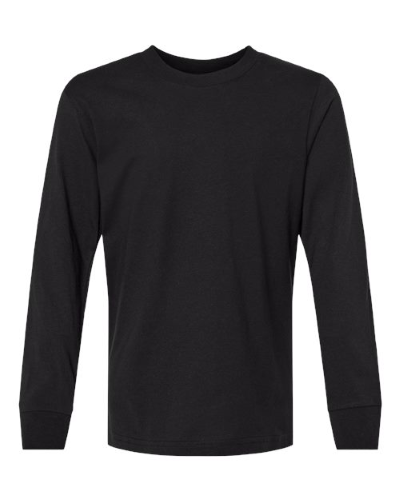
At Apparel Pro, get this Youth Cotton Long Sleeve T-Shirt and customize it in your own way Buy now
2.2 Polyester T-Shirts
Polyester shirts cost slightly more, but they’re built to last and handle sweat better. This makes them a smart pick for sports teams, outdoor events, and active wear.
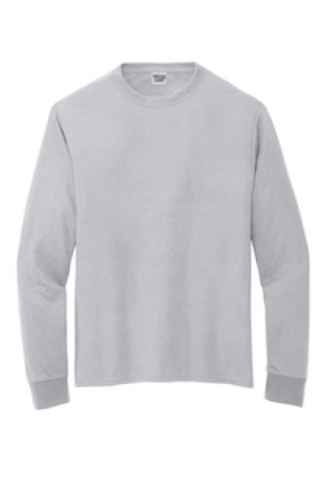
At Apparel Pro, get this 100% Polyester Long Sleeve T-Shirt and customize it in your own way Buy Now
2.3 Cotton-Poly Blends
Blended fabrics give you the best of both worlds. They feel comfortable like cotton but are more durable and shrink less, which is why many bulk buyers prefer them.
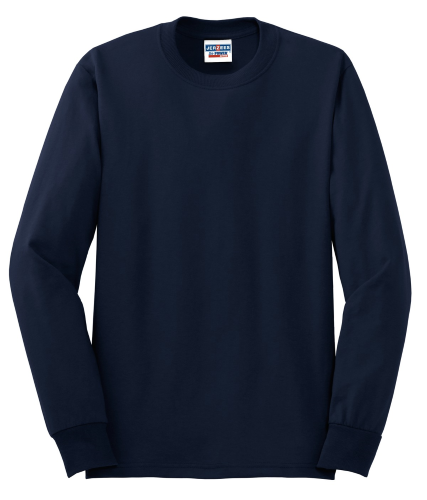
At Apparel Pro, get this Youth Cotton Long Sleeve T-Shirt and customize it in your own way Buy Now
Fabric Comparison
3. Brand-Level T-Shirt Cost Differences
3.1 Budget Brands (Lowest Cost)
Brands like Gildan and Fruit of the Loom are common for bulk orders. They keep the cost for custom T-shirts low, but the fabric and fit are basic.
3.2 Mid-Range Brands (Best Value)
Bella+Canvas and Next Level cost a bit more, but they feel better and fit better. These are popular for events where you want shirts people will actually wear again.
3.3 Premium Brands (Higher Cost)
Nike, Adidas, and Champion come at a higher price. You’re paying for brand value, consistency, and a more polished look.
Brand Cost Comparison
How Quantity Impacts Cost Per Shirt
Bulk pricing works in steps. Every jump in quantity lowers the price per shirt.
For example:
- 100 shirts might cost $7–$9 each
- 1,000 shirts might drop to $4–$6 each
- 10,000 shirts can go as low as $1.50–$3 each
This clearly shows how much does it cost to make T-shirts in bulk as volume increases.
Hidden Costs to Watch Out For
Some costs don’t show up right away.
Things like setup fees, extra print locations, colored shirts, larger sizes, rush orders, and shipping can raise the final price. Knowing this upfront helps you plan better.
How to Reduce Bulk Custom T-Shirt Costs
If you’re asking how much does it cost to customize a shirt and want to lower it, focus on smart choices.
Use screen printing for bulk, limit ink colors, choose blends, and finalize your design early. Small decisions can save a lot of money.
Which Option Is Best for Your Use Case?
- Sports teams do best with polyester and screen printing.
- Corporate events work well with blends or embroidery.
- Schools and fundraisers save money with budget cotton.
- Promotions are cheapest with high-volume screen printing.
Final Summary: What Should You Expect to Pay?
There’s no single answer for the custom T-shirts cost, but most bulk orders fall between $1.50 and $15 per shirt. The right mix of quantity, fabric, printing method, and brand gives you the best value.
Want accurate pricing instead of estimates?
Ordering for your business should be simple, fast, and stress-free. The Apparel Pro makes it easy with no setup fees, free design checks, high-quality printing, and quick delivery options—even for rush orders.
From budget-friendly bulk tees to premium branded apparel, you get transparent pricing, top brands, and real human support every step of the way.
Email us today! thepros@theapparelpro.com
Frequently Asked Questions
How much do custom T-shirts cost in bulk?
Most bulk custom T-shirt orders fall between $3 and $10 per shirt. The final price depends on how many shirts you order, the fabric you choose, and the printing method used.
Is screen printing cheaper than digital printing?
In most cases, yes. Once you cross 100 shirts or more, screen printing becomes more cost-effective because the setup cost is spread across a larger quantity.
Which fabric is the most cost-effective?
Cotton-poly blends are often the best choice. They cost slightly more than basic cotton but last longer, shrink less, and hold prints better over time.
Does brand choice affect bulk pricing?
Absolutely. Budget brands keep costs low, while premium brands increase the base garment price due to better fabric quality and brand value.
What is the cheapest way to print T-shirts?
Ordering a large quantity using screen printing with fewer ink colors is usually the most affordable way to lower the cost per shirt.